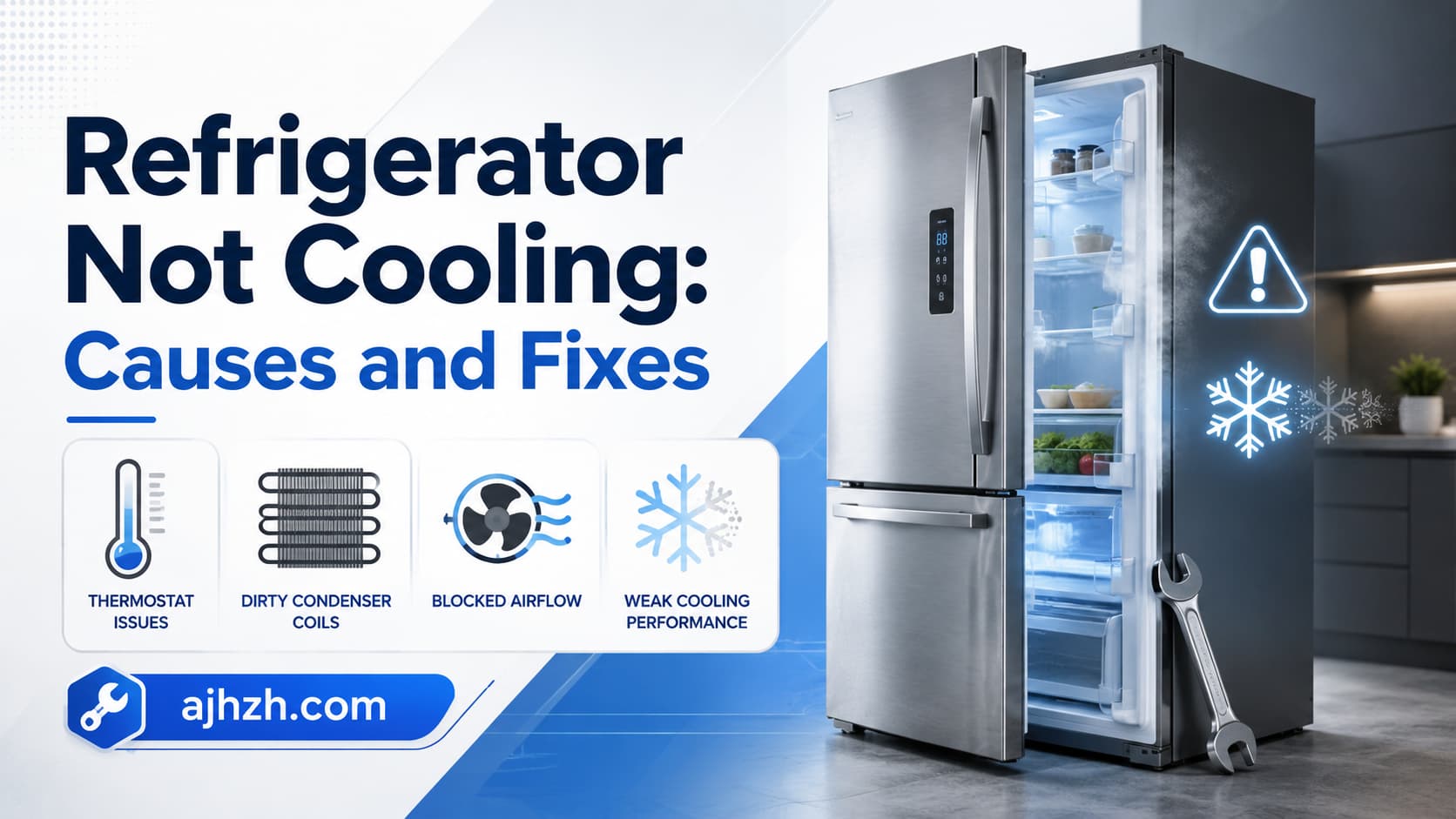
Few things are more unsettling than opening your refrigerator only to find that it’s not cooling properly. A malfunctioning fridge can lead to spoiled food, wasted money, and a significant inconvenience. While the immediate reaction might be panic, many common issues preventing your refrigerator from cooling effectively are surprisingly simple to diagnose and, in some cases, even fix yourself. Understanding the potential culprits can save you time, money, and the stress of dealing with a fridge full of warm groceries.
This comprehensive guide will walk you through the most common reasons why your refrigerator might not be cooling as it should. We’ll explore everything from basic settings and maintenance to more complex mechanical failures, providing you with practical steps to troubleshoot the problem and determine whether a DIY fix is possible or if it’s time to call in a professional. Let’s dive in and get your refrigerator back to its optimal cooling performance.
Table of Contents
- Common Reasons Your Refrigerator Isn’t Cooling
- Simple Checks You Can Do Yourself
- Troubleshooting Quick Reference Guide
- When to Call a Professional (and What to Expect)
- Prevention and Maintenance Tips
- Frequently Asked Questions
Common Reasons Your Refrigerator Isn’t Cooling
When your refrigerator fails to maintain its set temperature, it’s usually due to one of several common issues. Pinpointing the exact cause is the first step toward finding a solution. Here are the most frequent reasons:
Dirty Condenser Coils
The condenser coils are vital components located on the back or underneath your refrigerator. Their job is to dissipate heat as refrigerant cycles through them. Over time, these coils can accumulate a thick layer of dust, pet hair, and debris. When clogged, they can’t effectively release heat, causing the compressor to work harder and the refrigerator to struggle with cooling. This is one of the most common and easily preventable issues, often leading to insufficient cooling throughout the entire appliance.
Faulty Evaporator Fan Motor
Inside the freezer compartment, the evaporator fan motor circulates cold air over the evaporator coils and then distributes it into the fresh food compartment. If this fan motor fails or is obstructed by ice buildup or debris, cold air won’t be distributed throughout the refrigerator. This often results in the freezer remaining cold while the fresh food section becomes warm, as it relies on the fan to receive its chilled air supply.
Damaged Door Gasket/Seal
The rubber gasket around your refrigerator and freezer doors creates an airtight seal, preventing warm ambient air from entering and cold air from escaping. If the gasket is cracked, torn, or has lost its elasticity, warm air will continuously seep into the appliance. This forces the refrigerator to work overtime to maintain temperature, often unsuccessfully, leading to higher energy bills and spoiled food. You might notice condensation around the door or a warmer interior.
Thermostat Settings Are Incorrect
It might sound obvious, but sometimes the simplest explanation is the correct one. Accidentally bumping the thermostat dial, or having it set too high (to a warmer temperature) can prevent proper cooling. Always check your refrigerator’s temperature settings first, ensuring it’s set to the recommended range, usually between 35-38°F (1.7-3.3°C) for the fresh food compartment and 0°F (-18°C) for the freezer. A minor adjustment could be all that’s needed.
Blocked Air Vents
Many refrigerators have internal vents that allow cold air to circulate between the freezer and fresh food compartments. If these vents are blocked by food items, containers, or even ice buildup, the airflow will be restricted. This results in inadequate cooling in one or both sections, most commonly the fresh food compartment if the freezer is overpacked or has ice accumulation around the vents.
Overpacked Refrigerator
While it might seem counterintuitive, an overly full refrigerator can impede proper airflow. Cold air needs space to circulate around items to maintain an even temperature. When shelves are crammed with groceries, hot spots can develop, leading to certain areas not cooling effectively. Conversely, an almost empty refrigerator can also struggle, as there isn’t enough thermal mass to retain cold, causing temperatures to fluctuate more easily when the door is opened.
Malfunctioning Defrost System (Timer, Heater, or Thermostat)
Modern refrigerators have an automatic defrost system designed to prevent excessive ice buildup on the evaporator coils. This system comprises a defrost timer, a defrost heater, and a defrost thermostat. If any of these components fail, ice can accumulate on the evaporator coils, blocking airflow and preventing the refrigerator from cooling. You might notice excessive ice in the freezer compartment or a fan making a grinding noise due to ice interference.
Compressor Issues
The compressor is the heart of your refrigerator’s cooling system. It’s responsible for compressing the refrigerant gas, which then releases heat as it cools down. If the compressor is failing or has completely stopped working, the refrigerator won’t be able to cool at all. Signs of a faulty compressor include a clicking sound without the motor running, or the refrigerator being completely silent and warm. This is typically a more serious and costly repair that requires professional intervention.
Simple Checks You Can Do Yourself
Before calling a technician, there are several straightforward checks you can perform to diagnose and potentially resolve the cooling issue. These steps don’t require specialized tools and can often save you a service call.
Check the Thermostat
As mentioned, this is the easiest first step. Locate your refrigerator’s temperature control dial or digital panel. Ensure it’s set to the manufacturer’s recommended temperature (typically 35-38°F for the fridge and 0°F for the freezer). If it was adjusted incorrectly, set it back to the optimal range and wait several hours for the temperature to stabilize. Use a refrigerator thermometer to confirm the actual internal temperature.
Inspect Door Seals
Perform the “paper test.” Close the refrigerator door on a dollar bill or a piece of paper. If you can easily pull the paper out, the seal is weak and allowing warm air in. Repeat this around the entire perimeter of both doors. If the seals are dirty, clean them thoroughly with warm, soapy water. If they are torn, cracked, or brittle, they will need to be replaced. A tight seal is crucial for maintaining proper internal temperatures.
Clean Condenser Coils
Unplug your refrigerator for safety. Locate the condenser coils, usually at the back or underneath the unit. Use a vacuum cleaner with a brush attachment to gently remove dust, pet hair, and debris. For stubborn grime, a condenser coil brush can be very effective. Ensure good ventilation around the coils once clean, as this allows the refrigerator to dissipate heat efficiently.
Clear Air Vents
Open both the refrigerator and freezer doors. Look for the air vents, usually located on the back wall or ceiling of the compartments. Ensure no food items, containers, or ice are blocking these vents. Rearrange items to allow for proper airflow. If you suspect ice buildup, you might need to manually defrost the freezer by unplugging the unit for several hours (with towels to catch melted ice) to clear the vents and restore proper air circulation.
Test the Evaporator Fan
To test the evaporator fan, you’ll typically need to open the freezer door and listen. On most models, the fan will stop when the door is opened. Press the door switch (a small button usually located near the hinge) to simulate the door being closed. If you don’t hear the fan motor running, or if it makes unusual noises (grinding, squealing), it might be faulty. This often requires professional attention, but at least you’ve identified a potential issue.
Troubleshooting Quick Reference Guide
| Symptom | Potential Cause | DIY Fix / Check | When to Call a Pro |
|---|---|---|---|
| Fridge warm, freezer cold | Evaporator fan, blocked vents, defrost system | Check vents for blockages, listen for fan. | Fan motor replacement, defrost system repair. |
| Fridge & freezer both warm | Dirty condenser coils, faulty compressor, door seal, thermostat | Clean coils, check thermostat, inspect door seals. | Compressor replacement, major electrical issues. |
| Excessive ice buildup in freezer | Defrost system (timer, heater, thermostat) | Manual defrost (unplug). | Defrost component replacement. |
| Loud buzzing/clicking noises | Compressor, fan motor, relay | Listen to pinpoint location (back/freezer). | Compressor or motor replacement. |
| Water leaking on floor | Clogged defrost drain, faulty water line | Clear drain hole, check water line connections. | Internal drain repair, water line replacement. |
When to Call a Professional (and What to Expect)
While many issues can be resolved with simple DIY troubleshooting, some problems are best left to qualified appliance technicians. Knowing when to call a professional can prevent further damage and ensure your refrigerator is repaired safely and correctly.
Signs It’s Time for an Expert
- No Cooling at All: If your refrigerator is completely warm and silent, indicating a potential compressor failure or major electrical issue that requires specialized diagnostic tools.
- Unusual Noises: Loud clicking, grinding, or buzzing sounds coming from the back or bottom of the unit often point to compressor, fan, or motor problems that require specialized tools and expertise for safe repair.
- Persistent Icing: Excessive ice buildup on the evaporator coils even after manual defrosting suggests a problem with the defrost system components (timer, heater, thermostat) which are complex to replace.
- Electrical Issues: If you suspect wiring problems, power surges, control board malfunctions, or any issue involving the electrical system, it’s crucial to call a professional to avoid shock hazards.
- Refrigerant Leaks: A sweet chemical smell or oily residue around the unit could indicate a refrigerant leak, which is a hazardous material and requires professional handling and recharging by certified technicians.
- After DIY Attempts Fail: If you’ve tried all the simple checks and your refrigerator still isn’t cooling properly, it’s time for a professional diagnosis. They have the experience and tools to pinpoint obscure problems.
What to Ask Your Technician
When you contact an appliance repair service, be prepared to provide them with as much information as possible. Note down the symptoms, how long the problem has been occurring, and any troubleshooting steps you’ve already taken. Ask about their service call fee, labor rates, and whether they charge extra for parts. Inquire if they offer a warranty on their repairs, which is a good indicator of their confidence in their work. A reputable technician will be able to clearly explain the problem, the proposed solution, and the estimated cost before starting any work, giving you peace of mind.
Prevention and Maintenance Tips
Regular maintenance is key to extending the life of your refrigerator and preventing common cooling issues. A little proactive effort can save you from costly repairs and the inconvenience of a broken fridge, ensuring it runs efficiently for years to come.
Regular Cleaning
Make it a habit to clean your refrigerator’s interior and exterior regularly. Wipe down shelves, drawers, and the inner walls to prevent spills from hardening and blocking vents. Periodically clean the condenser coils (every 6-12 months) and the door gaskets to ensure they remain free of debris and maintain a tight seal. A clean fridge not only looks better but also operates more efficiently and helps prevent breakdowns.
Proper Loading
Avoid overpacking your refrigerator. Leave enough space for air to circulate freely around food items. This helps maintain an even temperature throughout the compartments and ensures all food is properly chilled. Also, avoid placing hot food directly into the refrigerator; let it cool down to room temperature first to prevent raising the internal temperature and making the compressor work harder to compensate.
Annual Professional Check-ups
Consider scheduling an annual check-up with an appliance technician, especially if your refrigerator is older or you notice minor performance issues. A professional can identify potential problems early, such as worn-out components, refrigerant levels, or minor electrical issues, and address them before they turn into major breakdowns. This preventative measure can significantly extend the lifespan of your appliance and ensure its optimal performance.
Frequently Asked Questions
By understanding the common issues and performing regular maintenance, you can keep your refrigerator running efficiently and extend its lifespan. Don’t let a warm fridge spoil your day—or your food!